









 |

Is organic food better for you than conventionally-raised food? There are some studies that find little difference in nutritional value, and others that find significant differences. Some food industry representatives and bloggers say the only difference is the price and that organic agriculture is successful because it is marketed well. They claim both organic and nonorganic fruits and vegetables are healthy and there is no scientific proof of nutritional superiority of organic produce.
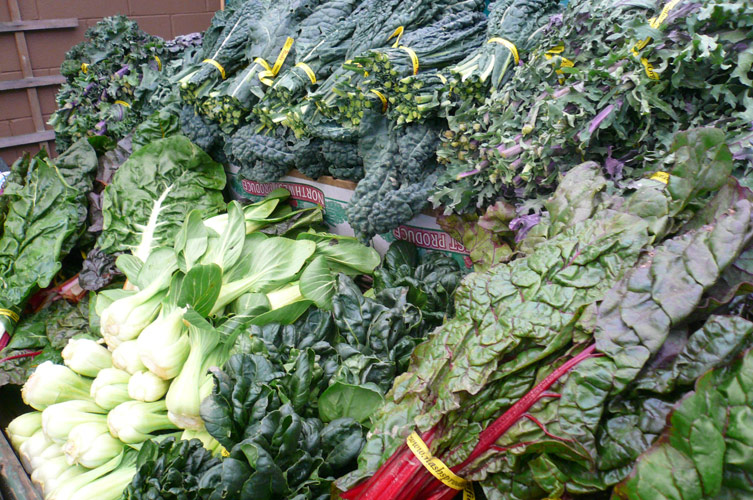 In some studies, however, organic foods show higher nutritional value than conventional food. The reason: In the absence of pesticides and fertilizers, plants boost their production of the phytochemicals (vitamins and antioxidants) that strengthen their resistance to bugs and weeds. Some studies have linked pesticides in our food to everything from headaches to cancer to birth defects—but many experts maintain that the levels in conventional food are safe for most healthy adults. Even low-level pesticide exposure, however, can be significantly more toxic for fetuses and children (due to their less-developed immune systems) and for pregnant women (it puts added strain on their already taxed organs), according to a report by the National Academy of Sciences.
In and of themselves, agricultural chemicals might not pose a significant health risk for adults. But humans on planet earth today are exposed daily to numerous contaminants and carcinogens from multiple sources, including air and water pollution, plastics, industrial waste, radiation, and pharmaceuticals. Each of us in the developed world has over 100 man-made chemicals in our bloodstream. Some of these pollutants are EPA or FDA approved and it would be difficult to restrict them, but we CAN control the ones we put in our mouths. According to the 2009 Annual Report of the President’s Cancer Panel, "Exposure to pesticides can be decreased by choosing, to the extent possible, food grown without pesticides or chemical fertilizers and washing conventionally grown produce to remove residues. Similarly, exposure to antibiotics, growth hormones and toxic run-off from livestock feedlots can be minimized by eating free-range meat raised without these medications, if it is available."
"If you're talking about pesticides, the evidence is pretty conclusive. Your chances of getting pesticide residues are much less with organic food," says John Reganold, professor of soil science at Washington State University in Pullman, Washington.
The amount of man-made pesticide residues found in conventional foods is still well below the level that the Environmental Protection Agency has deemed unsafe. But the real issue is whether these small doses, over years and decades, add up to an increased health risk down the line and what they contribute to the cocktail of chemicals already in our bodies from other sources.
If you can't always afford organic, do spend the extra money when it comes to what the EWG calls the "dirty dozen": peaches, strawberries, nectarines, apples, spinach, celery, pears, sweet bell peppers, cherries, potatoes, lettuce, and grapes. These fragile fruits and vegetables often require more pesticides to fight off bugs compared to hardier produce, such as asparagus and broccoli. Download a list of produce ranked by pesticide contamination at foodnews.org, an EWG website.
Visit our Saving Money When Buying Local page for buying tips.

A good case can be made that organic farming is better for the environment. Toxic and persistent pesticides accumulate in the soil and in the water over time, just as they accumulate in living bodies. By eliminating the use of pesticides and herbicides, we reduce the contamination in the environment.
 Organic farming reduces pollutants in groundwater and creates richer soil that aids plant growth while reducing erosion, according to the Organic Trade Association. It also decreases pesticides that can end up in your drinking glass; in some cities, pesticides in tap water have been measured at unsafe levels for weeks at a time, according to an analysis performed by the Environmental Working Group (EWG). Plus, organic farming used 50 percent less energy than conventional farming methods in one 15-year study.

| Conventional Agriculture: | Organic Agriculture: |
| Applies chemical fertilizers to promote plant growth. | Grows its own fertility with cover crops and builds natural compost to feed soil and plants. |
| Sprays insecticides to reduce pests and disease, increasing resistance in pest populations. | Creates rich and diverse habitats for beneficial insects and birds; uses organically certified soaps and oils to reduce pests and disease. |
| Uses chemical herbicides to manage weeds, increasing "super weed" populations. | Rotates crops, tills, hand weeds or mulches to manage weeds. |
| Gives animals antibiotics, growth hormones and medications to prevent disease and spur growth. | Gives animals organic feed and allows them real access to the outdoors. Uses preventive measures, such as rotational grazing, a balanced diet and clean housing to minimize disease. |

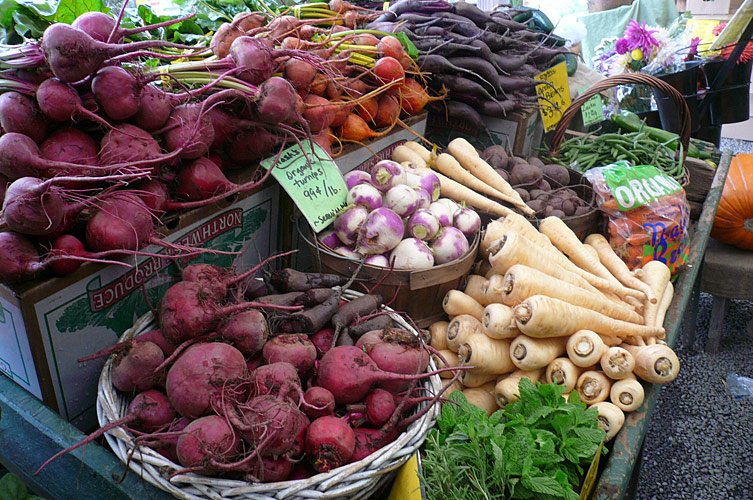 Eating fresh means eating local There is one nutritional certainty. If you want to get the most from your food, eat it while it’s fresh. Fresh food also tastes better. This may be one reason people sometimes report that organic foods have more flavor, because organic farms, being smaller operations, often sell their products closer to the point of harvest. So don’t be surprised if the organic fruits and vegetables in your market taste more "farm fresh" than the comparable conventional produce that has traveled an average of 1,500 miles to reach your table.